
As an Amazon Associate, we earn a small commission from qualifying purchases — at no extra cost to you.
Start knitting with confidence using the Ultimate Guide to Knitting Stitches for Beginners and learn easy stitches step by step.
This Ultimate Guide to Knitting Stitches for Beginners helps new knitters learn the basics with ease. From simple knit and purl stitches to fun textured patterns, this guide makes every step easy to follow. It is perfect for building confidence, improving skills, and starting beautiful handmade projects without feeling confused or overwhelmed.
Ultimate Guide to Knitting Stitches for Beginners
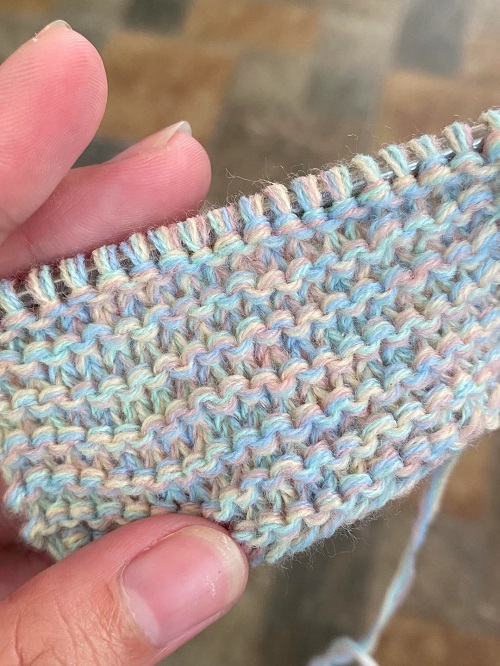
Knitting is one of the oldest and most loved crafts in the world, practiced across cultures for centuries to create. It is the art of interlocking loops of yarn using two needles, and every single texture, pattern, and design you’ll ever see begins with just a handful of basic stitches.
Whether you’re picking up needles for the very first time or returning to a craft, understanding the different types of knitting stitches is the very first step. This guide will walk you through the essential stitches, their patterns, common pitfalls beginners face, and how to fix them all in one place.
What Are Knitting Stitches?
A knitting stitch is a single loop of yarn drawn through another loop to form a chain of interlocked fabric. Every knitted row is made one stitch at a time, and the way those stitches are worked creates the texture, stretch, and look of the finished piece.
Types of Stitches for Beginners
There are two basic stitches in knitting: the knit stitch and the purl stitch. Whether you use them alone or together, they create almost every knitting pattern. Here are the essential stitches every beginner should learn to start knitting.
1. Knit Stitch
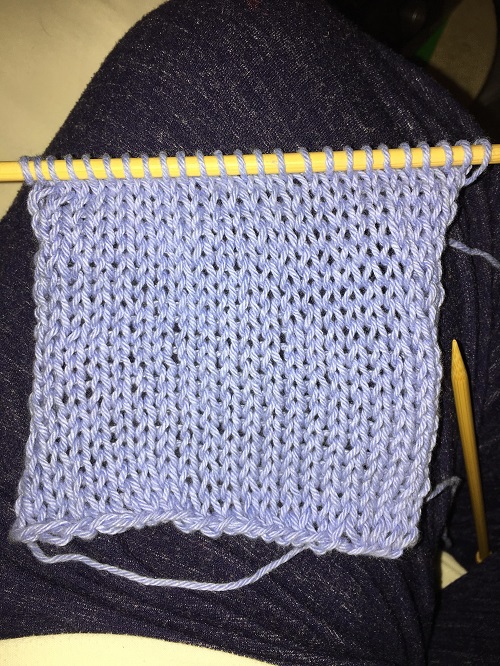
The knit stitch is the first stitch beginners learn. It creates a smooth, flat texture on the front side of the fabric and is used in many popular knitting patterns. By repeating stitches in different ways, you can create a wide variety of designs and textures.
2. Purl Stitch
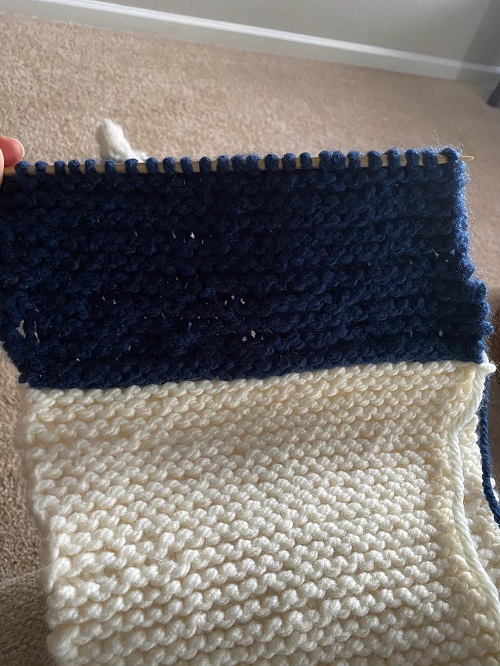
The purl stitch is learned after the knit stitch. It creates a textured bump on the front side of the fabric and is commonly used to add pattern and depth to knitted projects. When mixed with knit stitches, it forms many classic patterns like ribbing and stockinette stitch.
3. Garter Stitch
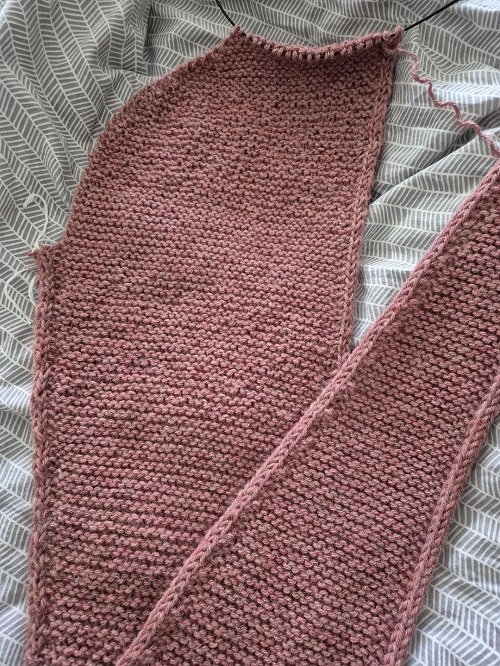
Garter stitch is the easiest one in the list. You make it by knitting every single row without any purling. This creates a soft texture with small horizontal ridges. It looks the same on both sides and doesn’t curl at the edges, which makes it perfect for beginners.
4. Stockinette Stitch
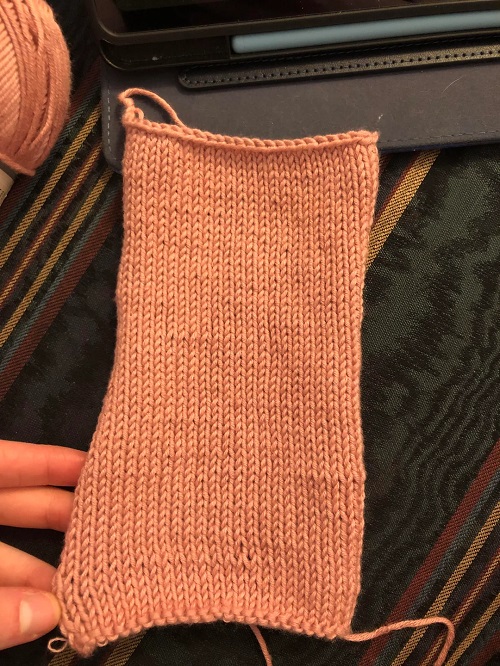
Now that you know about knit and purl, you can combine them to make a stockinette, the V-shaped pattern most people picture when they think of knitting. Unlike garter stitch, which is bumpy and flat, stockinette is soft and smooth but tends to curl at the edges. You can make rolled necklines, cuffs, scarf edges, and handbag trims.
5. Basic Ribbing (1×1 and 2×2)
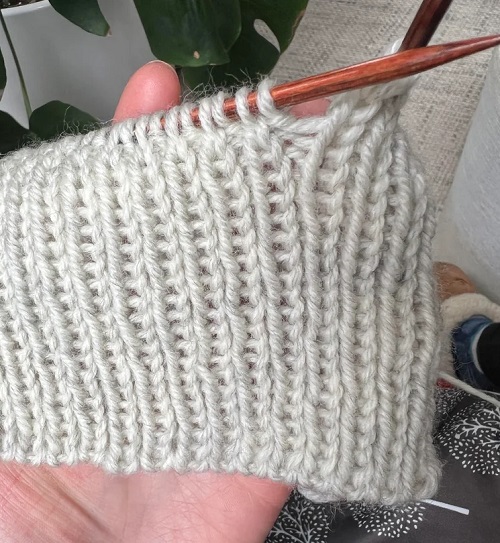
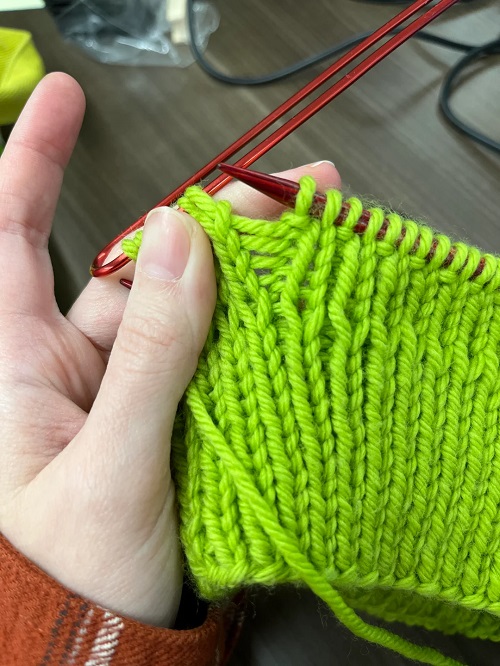
Ribbing is the combination of knit and purl stitches in the same row. The best thing about ribbing is that after the first few rows, the stitches tell you what to do: if a stitch looks like a V, knit it; if it looks like a bump, purl it. It’s stretchy and springy, making it perfect for sweater edges, necklines, cuffs, and hems.
6. Mistake Rib Stitch
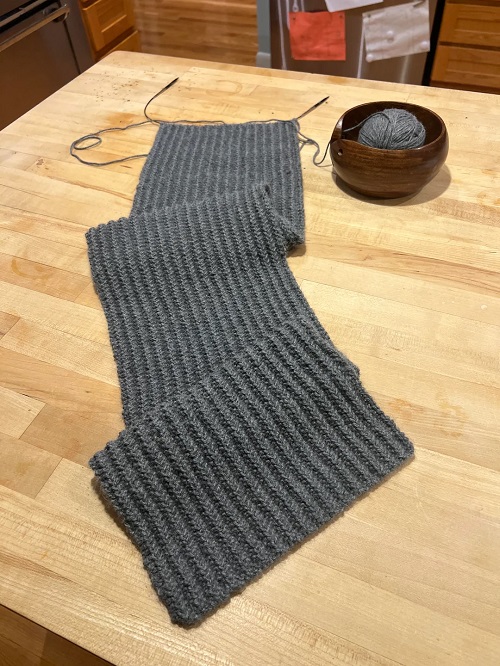
The mistake rib is beginner-friendly because it uses the same row repeated again and again. Made with only knit and purl stitches, it creates a ribbed texture that looks more complex than it is. It’s stretchy and looks good on both sides, great for scarves and cowls.
7. Seed Stitch
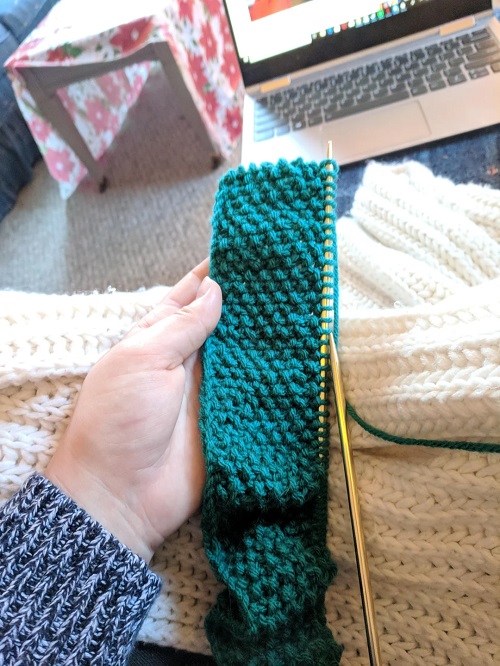
Seed stitch is a bumpy, textured pattern made by alternating knit and purl stitches across a row, then doing the opposite on the next row. The result is a textured surface that lies flat and looks the same on both sides.
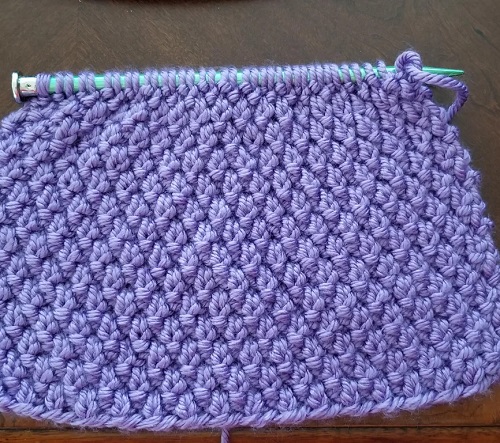
Moss stitch is similar to seed stitch but repeats the same row twice before alternating, creating a more textured look. It follows a four-row repeat, lies flat, looks the same on both sides, and works well alone or as a background for cables.
9. Hurdle Stitch
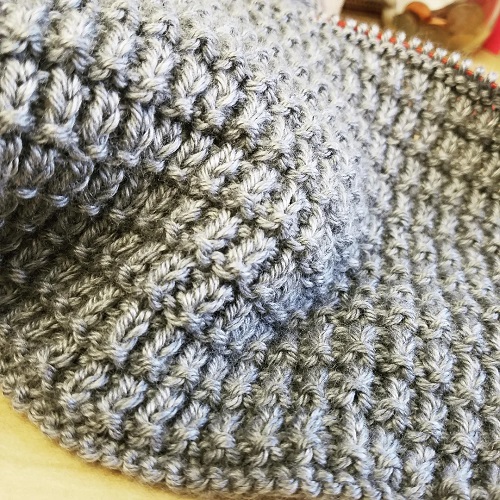
Hurdle stitch is a textured pattern that is created by combining knit and purl stitches with rows of garter stitch in between. This pattern lies flat, offering plenty of stretch, and looks attractive on both sides, making it perfect for scarves, blankets, sweaters, and even socks.
10. Feather and Fan Stitch
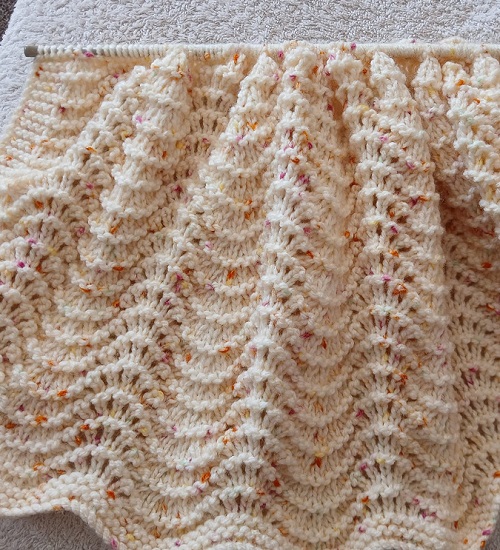
Feather and Fan stitch, also called Old Shell or Old Shale, is a classic Shetland pattern that creates a soft wave-like design. Worked in a simple four-row repeat, it lies flat, forms scalloped edges, and looks beautiful on both sides. It’s beginner-friendly and a great way to introduce yourself to lace knitting.
Tips for Learning Knitting Stitches
- Start with garter stitch: Knitting every row helps build muscle memory for the basic knit stitch before introducing purl stitches and more advanced techniques.
- Pay attention to yarn placement: Keep the yarn at the back for knit stitches and move it to the front for purl stitches. Forgetting to reposition the yarn is one of the common beginner mistakes.
- Make a gauge swatch first: Before starting a project, knit a small 15 cm square to ensure your stitch count matches the pattern. The correct gauge is essential for achieving the proper finished size.
- Practice in shorter sessions: A focused 20-minute practice session is often more effective than knitting for hours while frustrated. Short, regular practice sessions help improve skills while reducing hand strain.
- Learn to read your stitches: Train yourself to recognize knit and purl stitches on the needle. Understanding the structure of your knitting makes it easier to spot and fix mistakes early.
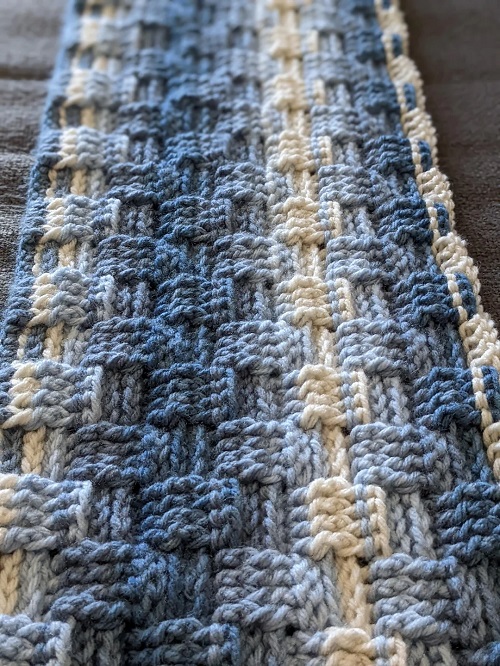
- Use a row counter: For stitch patterns with repeating rows, such as moss stitch or basketweave, a row counter can help you stay organized and prevent confusion.
Mistakes Everyone Makes And How to Fix Them
-
Dropped a stitch: Don’t panic. Pin it with a safety pin so it doesn’t unravel further, then use a crochet hook to work it back up row by row.
-
Stitches too tight: Ease up on the yarn and try a slightly larger needle. Knitting tension usually means you’re gripping too hard. Relax your hands and slow down.
-
Accidental yarn-over: If you catch it right away, just slip that extra loop off the needle. If you notice it later, you’ll need to unknit back to the mistake; knitters call this “tinking” (that’s “knit” spelled backward, which is very cute).
-
Stitch count keeps growing: Count after every row until it becomes a habit. Stitch markers at each end of the row help you keep track of where things start and stop.
-
Split your yarn: Make sure your needle is going through the whole stitch cleanly, not poking through the individual strands. If it’s already happened, drop the stitch and re-knit it properly.
-
Lost your place in the pattern: Use a row counter or keep your finger on the line you’re working. And again, learning to read your knitting will help you figure out where you are, even without notes.